
 French (français)


Development of Abutments
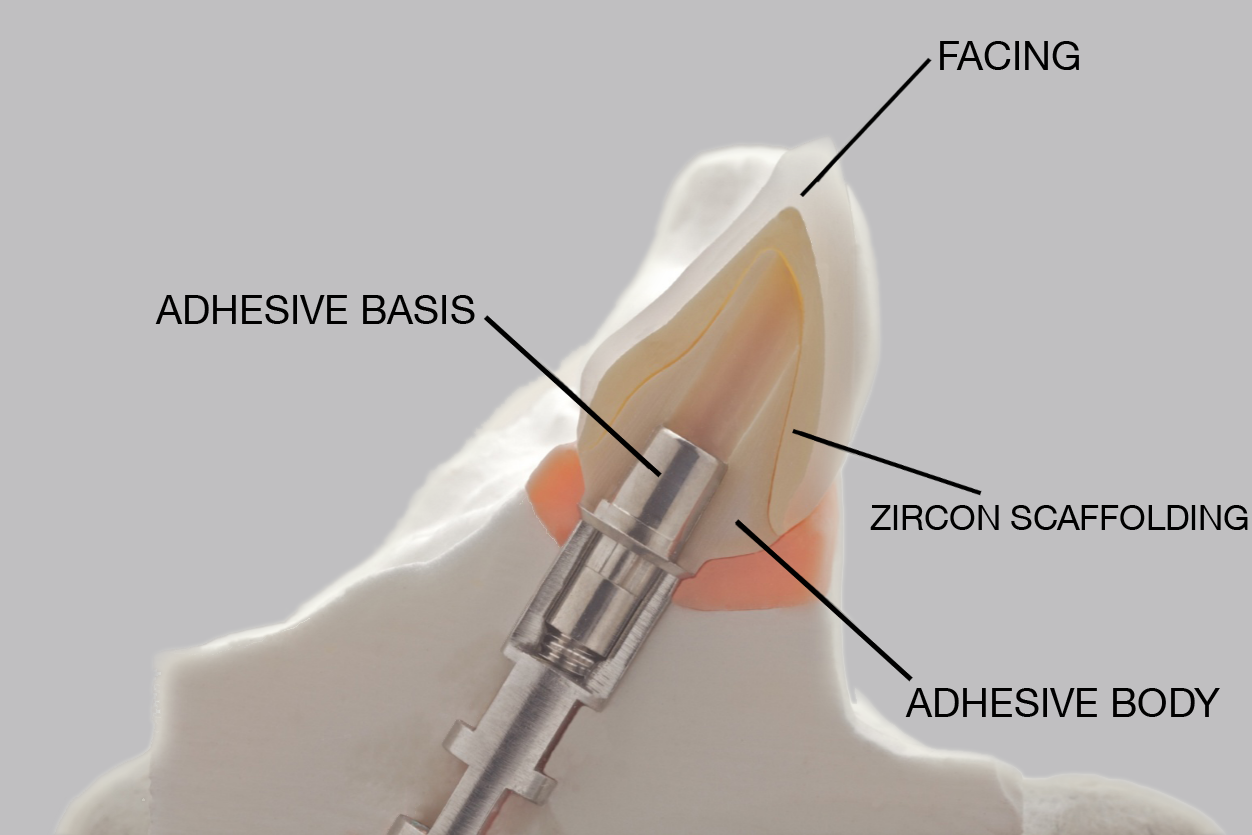
Previous adhesive bases for hybrid abutments were only available in straight form, i.e. having the screw channel in the prolongation of the implant axis. The new LTS-BASE® offers, for the first time, an adhesive basis for hybrid abutments having an angulated screw channel.
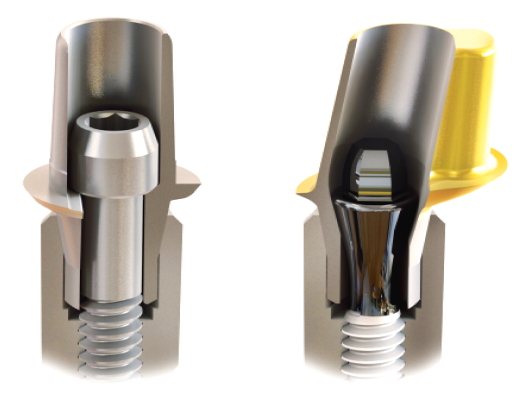
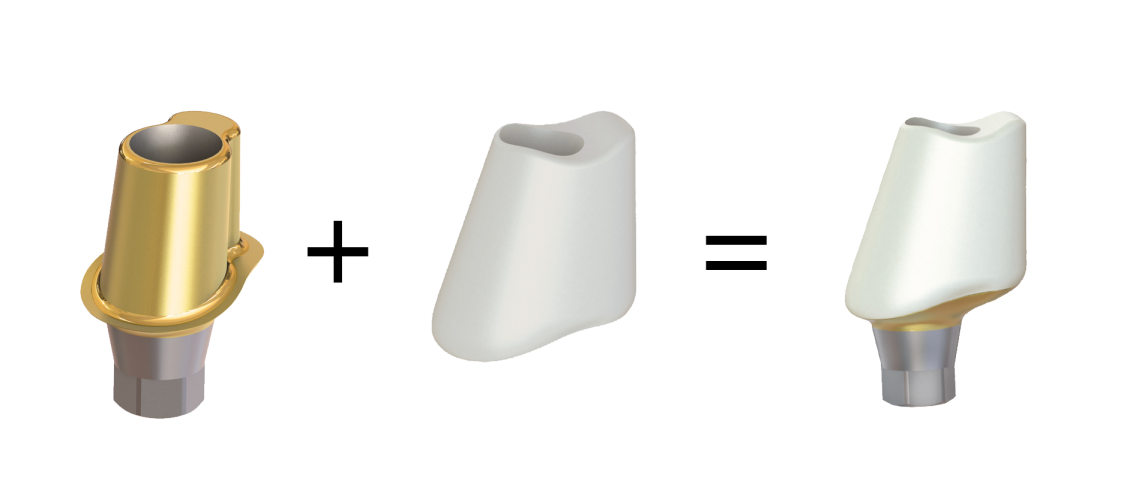
Angulated abutments
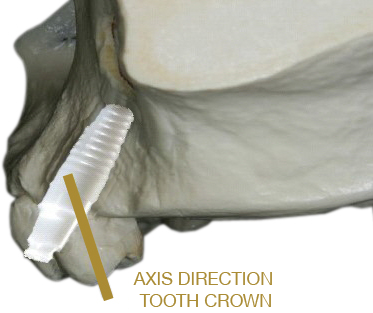
Axis direction Bone model
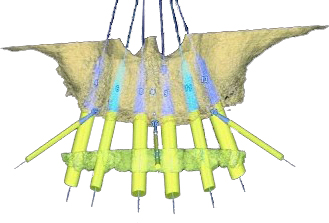
Axis direction – Van Hook
The anatomy of the bone determines the direction of the axis for the implant, with the screw head restricting the maximum possible angulation.
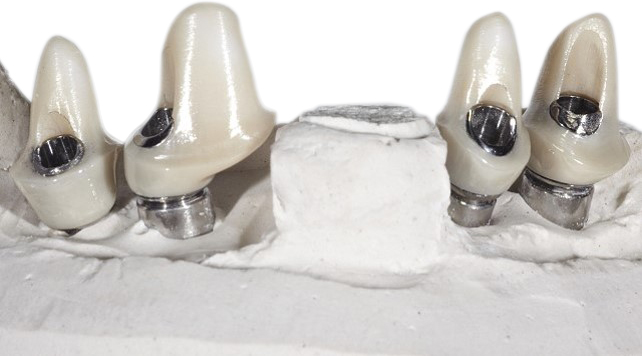
Angulation of implants
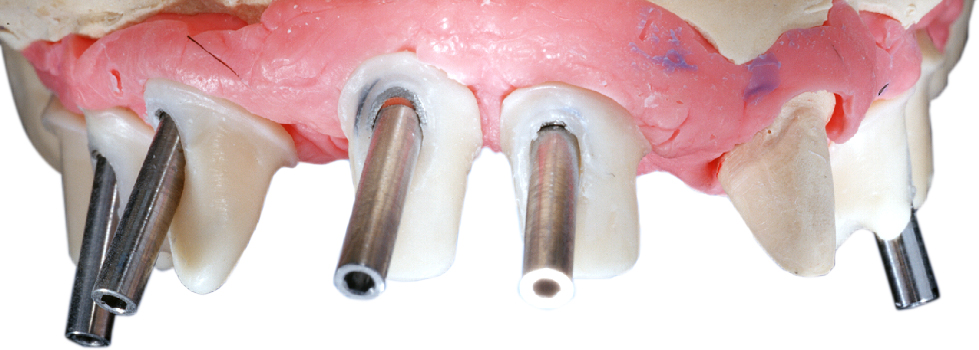
Axis direction front tooth
In transversal and sagittal direction an adverse implant position may occur.
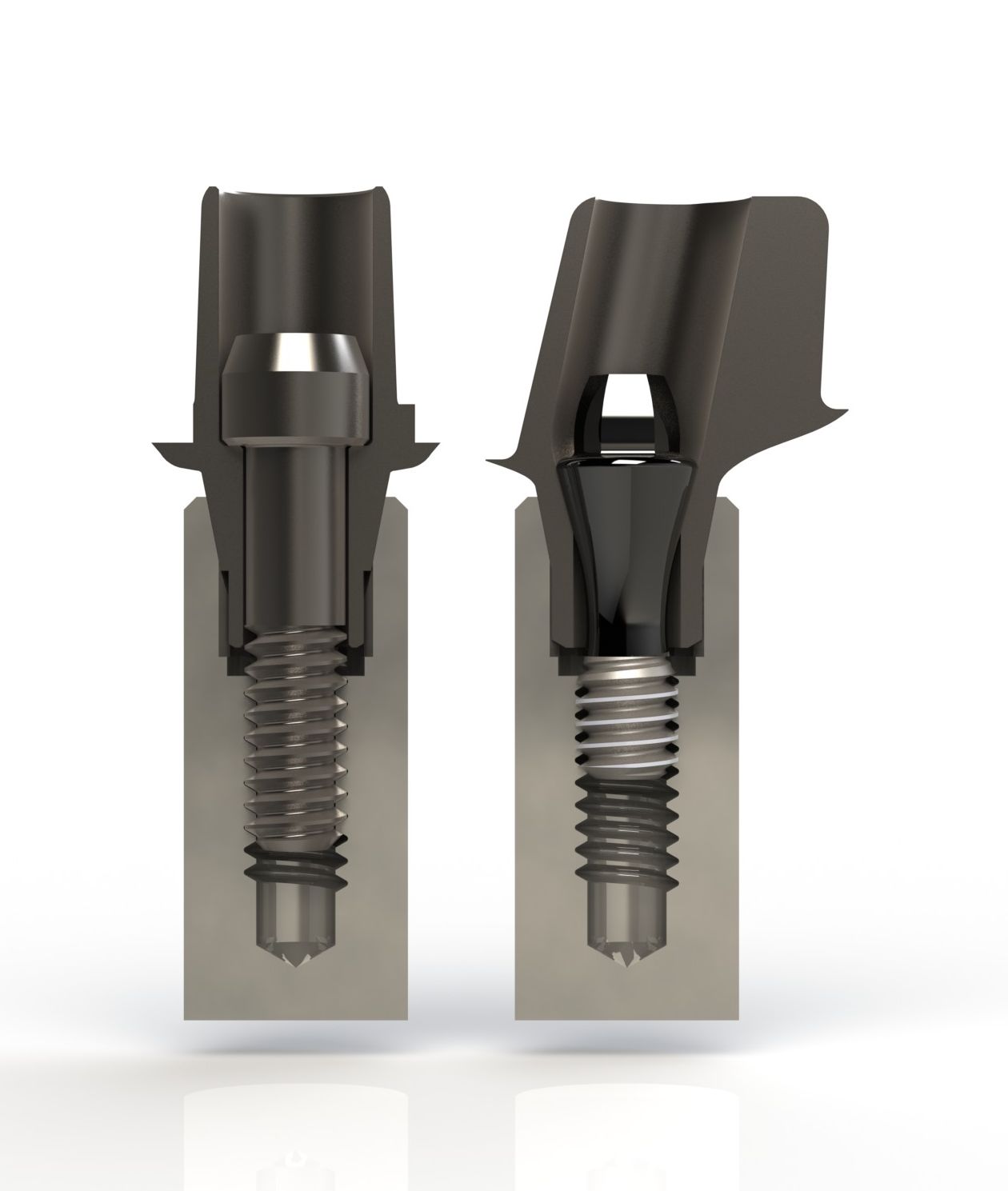
Comparison in profile
CAD vs. Clinics
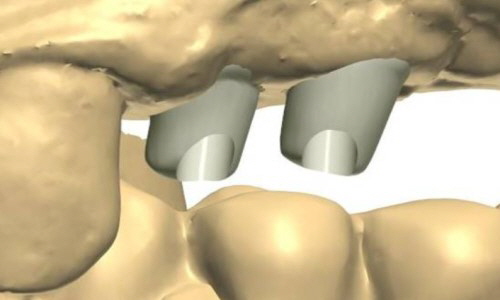
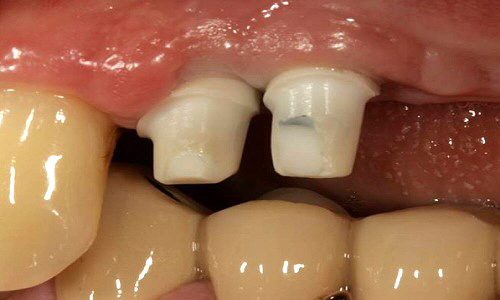
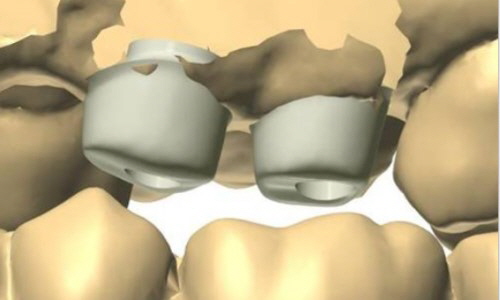
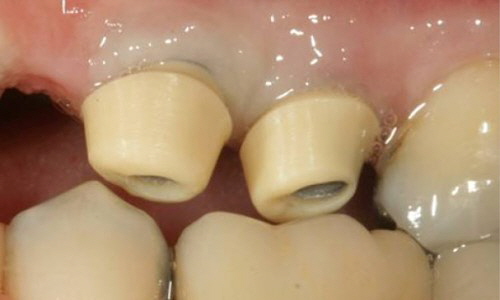
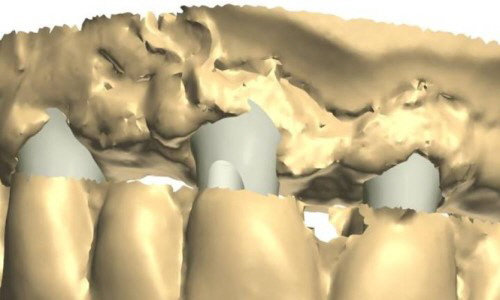
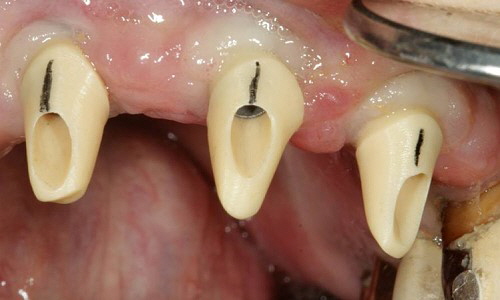
There is very often a big difference between CAD design and the clinical situation.
This problem may be solved in various ways with titanium abutments:
A) The preparation margin is extremely far and unpredictably placed underneath the gingiva. But there is a big danger of cement leftovers remaining there after cementing.
B) The wrongly placed preparation margin has again to be moulded to adapt the abutment in the laboratory. This procedure takes more time and is more expensive. Titanium abutments cannot be grounded intra-orally because of the danger of some tattooings.
A) The preparation margin is extremely far and unpredictably placed underneath the gingiva. But there is a big danger of cement leftovers remaining there after cementing.
B) The wrongly placed preparation margin has again to be moulded to adapt the abutment in the laboratory. This procedure takes more time and is more expensive. Titanium abutments cannot be grounded intra-orally because of the danger of some tattooings.
 Being screwed vs. being cemented